
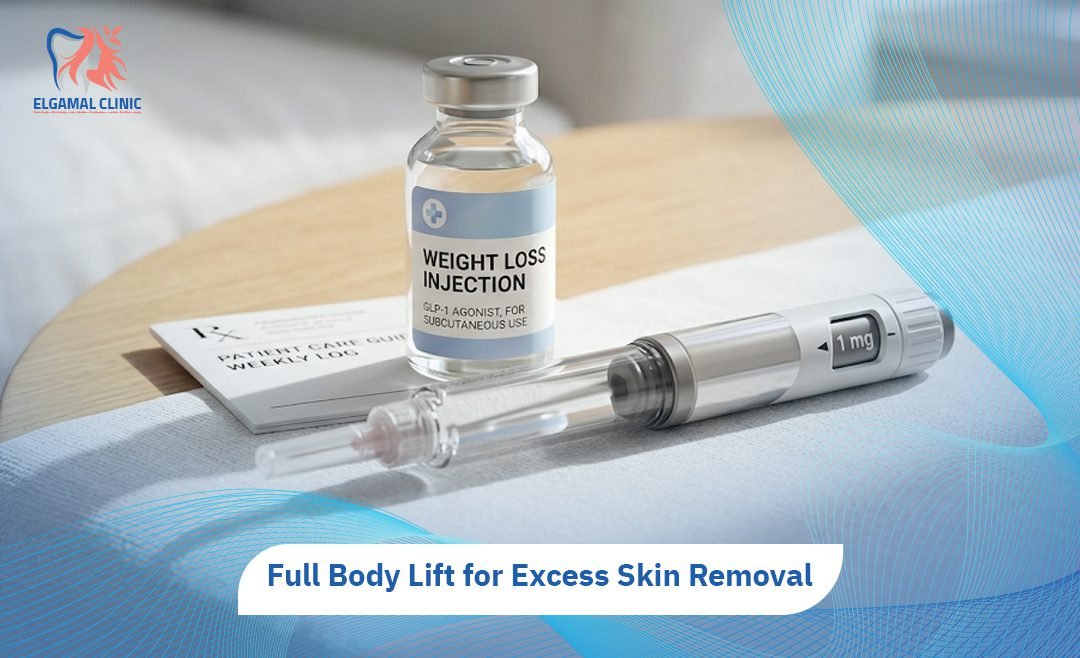
What are weight loss injections?
Weight loss injections are prescription medications that help certain people with obesity or weight-related medical conditions lose weight by reducing appetite and increasing feelings of fullness. They are intended to be used under medical supervision alongside healthy eating, physical activity, and long-term lifestyle changes—not as a quick fix.
Losing weight is often much more complex than simply eating less. Genetics, hormones, metabolism, sleep quality, stress, medications, and medical conditions all influence body weight. This is why obesity is now recognized as a chronic medical disease rather than merely a cosmetic concern.
In recent years, weight loss injections have become one of the most discussed medical treatments for obesity. While these medications can be effective for selected patients, they are not suitable for everyone and should never be used without proper medical evaluation.
Many people are attracted by dramatic before-and-after photos shared online, but sustainable weight management requires understanding the causes of weight gain rather than focusing only on rapid weight loss. A comprehensive treatment plan often provides better long-term outcomes than relying on medication alone.
Before considering any weight loss medication, it is important to understand:
- How these injections work
- Who qualifies for treatment
- Possible risks and side effects
- Expected results
- Long-term weight maintenance
- Whether medical nutrition therapy may be a better first option
Are Weight Loss Injections Cosmetic Treatments or Medical Obesity Treatments?
Weight loss injections are medical obesity treatments—not cosmetic procedures. They are prescription medications intended for eligible patients after a physician evaluates their BMI, medical history, and overall health. However, for many people, personalized nutrition and lifestyle changes remain the healthiest and most sustainable first step.
Unlike cosmetic treatments, weight loss injections require:
- Medical assessment
- Regular follow-up
- Nutrition counseling
- Lifestyle modification
- Ongoing monitoring
At El Gamal Clinic, we believe lasting weight loss starts by addressing the root causes of weight gain—not simply reducing appetite. Through personalized nutrition programs and continuous follow-up with Dr. Hadeer Samy, many patients can achieve sustainable results without relying solely on medication.
How do GLP-1 weight loss injections work?
GLP-1 weight loss injections mimic a natural hormone released after eating. They help reduce appetite, slow stomach emptying, and increase feelings of fullness. However, they are prescription medications with potential side effects and should only be used under medical supervision.
These medications mainly work by:
- Reducing appetite
- Increasing fullness
- Slowing digestion
- Helping control food cravings
- Supporting blood sugar regulation in appropriate patients
One important limitation is that GLP-1 medications suppress appetite only while they are being used. After stopping treatment, appetite often returns, and many patients may regain some or all of the lost weight if they have not adopted sustainable eating habits and lifestyle changes. This is why long-term weight management should focus on nutrition and behavior change rather than medication alone.
What Is the Healthiest Long-Term Alternative to Weight Loss Injections?
For many people, the healthiest long-term alternative to weight loss injections is a medically supervised weight management program that combines personalized nutrition, regular physical activity, behavior modification, and ongoing follow-up. This approach focuses on treating the underlying causes of weight gain and building sustainable habits that support lifelong health.
While prescription weight loss injections can be effective for selected patients, they are not the only—or always the best—solution. Long-term success depends on developing healthy habits that patients can maintain, regardless of whether medication is used.
At El Gamal Clinic, we believe that sustainable weight loss starts with understanding why weight gain occurred in the first place. Rather than relying solely on appetite suppression, our personalized medical nutrition programs help patients improve their relationship with food, adopt healthier lifestyle habits, and achieve lasting results through gradual, evidence-based changes.
A comprehensive medical weight management plan may include:
- A personalized nutrition plan tailored to your health goals and lifestyle.
- Nutritional education to build healthier eating habits.
- Regular physical activity suited to your fitness level.
- Behavior modification to address emotional eating and unhealthy patterns.
- Sleep and stress management, as both can significantly influence body weight.
- Ongoing follow-up to monitor progress and adjust the plan when needed.
Why a Personalized Nutrition Program May Be a Better Long-Term Choice
For many adults with mild to moderate excess weight, lifestyle modification may be all that’s needed to achieve and maintain a healthy weight. Unlike approaches that focus only on reducing appetite, a structured nutrition program helps patients develop lifelong habits that support overall health and reduce the risk of weight regain.
Benefits of medically supervised nutrition include:
- Sustainable and realistic weight loss.
- Improved eating habits rather than temporary restriction.
- Better management of obesity-related health conditions.
- Reduced likelihood of regaining lost weight.
- Improved energy levels and overall well-being.
- Long-term support from qualified healthcare professionals.
Personalized Weight Management with Dr. Hadeer Samy
At El Gamal Clinic, Dr. Hadeer Samy, Therapeutic Nutrition Specialist, provides individualized nutrition programs designed around each patient’s medical history, lifestyle, and weight-loss goals. Through continuous follow-up and evidence-based nutritional guidance, she helps patients achieve healthy, sustainable results while building habits that support lifelong wellness—not just short-term weight loss.
Looking for a healthier, long-lasting approach to weight management? Book your appointment now with Dr. Hadeer Samy at El Gamal Clinic and start your journey toward sustainable weight loss through personalized medical nutrition.
What are the possible side effects of weight loss injections?
Most side effects of weight loss injections involve the digestive system and are often mild to moderate during the early stages of treatment. However, some patients experience more significant symptoms that require medical review.
Common side effects
- Nausea
- Vomiting
- Constipation
- Diarrhea
- Stomach discomfort
- Reduced appetite
- Bloating
- Feeling full quickly
These symptoms often improve as the body adapts to treatment, especially when the dosage is increased gradually under physician supervision.
Less common but more serious concerns
Although uncommon, some symptoms require prompt medical assessment, including:
- Severe abdominal pain
- Persistent vomiting
- Signs of dehydration
- Allergic reactions
- Difficulty swallowing
- Severe weakness
Patients should never ignore severe or persistent symptoms.
What Are the Disadvantages of Weight Loss Injections?
While weight loss injections can be effective for some individuals, they also have limitations. They may cause side effects, require ongoing medical supervision, involve long-term treatment, and are not suitable for everyone. Maintaining weight loss after stopping the medication can also be challenging without healthy lifestyle changes.
Before starting treatment, it’s important to understand both the benefits and the potential drawbacks. Common disadvantages include:
- Possible side effects such as nausea, vomiting, constipation, or diarrhea.
- Not suitable for every patient or every type of weight gain.
- Require a prescription and regular medical follow-up.
- Treatment may be needed for an extended period to maintain results.
- Weight regain can occur after discontinuing the medication if healthy habits are not maintained.
- They do not address the underlying causes of unhealthy eating behaviors or lifestyle-related weight gain.
- Cost may increase over time depending on the medication and follow-up care.
For many people, a medically supervised nutrition program combined with sustainable lifestyle changes may provide a healthier long-term approach to weight management, helping achieve lasting results without relying solely on medication.
Why do some people regain weight after stopping injections?
One topic rarely explained in detail is why weight regain happens.
For many patients, appetite gradually returns after stopping medication. If healthy habits have not been established during treatment, previous eating patterns may also return.
This is why sustainable weight management focuses on:
- Learning portion control
- Building balanced meals
- Increasing daily movement
- Managing emotional eating
- Developing long-term routines instead of relying solely on medication
At El Gamal Clinic, we believe that lasting weight loss starts with treating the root cause, not just suppressing appetite. Our personalized medical nutrition programs, combined with continuous follow-up and lifestyle coaching, help patients achieve healthier, sustainable results that can be maintained long after treatment, without depending solely on medication.
Why Choose Dr. Hadeer Samy at El Gamal Clinic for Sustainable Weight Management?
At El Gamal Clinic, Dr. Hadeer Samy helps patients achieve sustainable weight loss through personalized nutrition, lifestyle changes, and ongoing medical follow up. Her approach focuses on treating the root causes of weight gain to help patients achieve long lasting results.
Many people can successfully lose weight without relying solely on medication. Through individualized nutrition plans and continuous support, Dr. Hadeer helps patients build healthier eating habits and sustainable routines that reduce the risk of weight regain.
Dr. Hadeer Samy is a Therapeutic Nutrition Specialist with a Diploma in Therapeutic Nutrition and a Diploma in Athlete Rehabilitation from the University of Sheffield, UK. She provides personalized weight management programs, nutrition counseling for adults and children, and long term follow up tailored to each patient’s health needs and lifestyle.
Book your appointment now at El Gamal Clinic and start your journey toward healthier, sustainable weight loss.
Frequently Asked Questions About Weight Loss Injections
Are weight loss injections safe?
When prescribed appropriately and used under medical supervision, weight loss injections can be safe for eligible patients. However, like all prescription medications, they carry potential risks and side effects, making medical assessment and regular follow-up essential.
Can I stop taking weight loss injections at any time?
You should never stop prescription medication without consulting your healthcare provider. Stopping treatment suddenly may affect appetite, weight management, and your overall treatment plan.
Can I regain weight after stopping weight loss injections?
Yes. Weight regain is possible if healthy eating habits and lifestyle changes are not maintained after treatment. This is why long-term nutrition and behavior modification are essential parts of successful weight management.
Can weight loss injections replace diet and exercise?
No. Weight loss injections are designed to complement—not replace—a healthy diet, regular exercise, adequate sleep, and sustainable lifestyle habits.
Leave a reply