
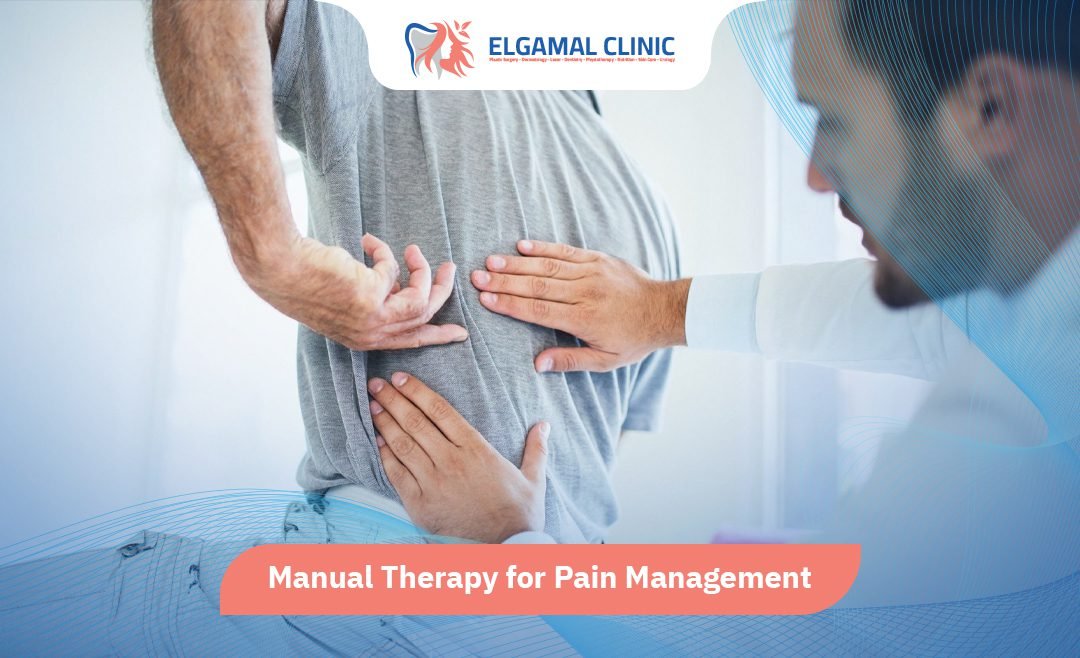
Manual Therapy in Cairo: Complete Guide to Hands-On Pain Relief & Rehabilitation
Persistent back pain, stiff joints, or tight muscles can make everyday activities difficult.
This hands-on approach offers a way to address joint stiffness, muscle tension, and movement limitations as part of an individualized physical rehabilitation plan.
At El Gamal Clinic, understanding your symptoms and movement goals is the first step toward more comfortable, confident movement.
What Is Hands-On Physical Therapy and How Does It Work?
Manual therapy uses specialized hands-on techniques to assess and treat musculoskeletal pain and movement restrictions.
Rather than focusing only on the painful area, a therapist considers how your joints, muscles, and surrounding tissues work together.
The goal is to improve mobility, reduce discomfort, and support recovery rather than offer a one-size-fits-all solution.
How Does Hands-On Treatment Help?
A personalized session may involve:
- Joint mobilization: Controlled movements to improve joint mobility and reduce stiffness.
- Soft tissue techniques: Targeted pressure and movement to address muscle tension.
- Movement assessment: Identifying limitations that may contribute to discomfort.
- Functional rehabilitation: Pairing hands-on care with exercises for everyday activities.
A licensed manual physical therapist should review your medical history, symptoms, and physical limitations before choosing techniques.
An evidence-based approach does not rely on hands-on care alone.
It places treatment within a broader physical therapy plan of care shaped around your goals.
Key Hands-On Techniques for Spine and Joint Relief
Joint Mobilization and Manipulation
Joint mobilization uses controlled, gradual movements to improve how a joint moves.
It may be considered for:
- Shoulder stiffness.
- Restricted spinal movement.
- Neck discomfort.
- Reduced mobility after injury.
Mobilization generally involves slower, controlled movements; manipulation may use a quicker, precise movement when clinically appropriate.
Spine and joint manipulation requires careful assessment, especially around the neck.
Soft Tissue Mobilization Therapy
Muscles, tendons, and surrounding tissues may become tight or sensitive after injury, repetitive activity, or inactivity.
Soft tissue mobilization therapy applies targeted pressure and movement to these tissues. It may help:
- Reduce muscle tension.
- Improve tissue mobility.
- Address selected scar-tissue restrictions.
- Support recovery from certain injuries.
Treatment intensity should match your condition and comfort.
Myofascial Release Technique
Fascia is connective tissue that surrounds muscles and other structures.
When it becomes restricted or sensitive, movement may feel uncomfortable.
The myofascial release technique uses sustained, gentle pressure on tight areas to support tissue mobility and ease discomfort.
Trigger Point Therapy
Trigger points are sensitive muscle areas that may cause local pain or discomfort elsewhere.
Depending on assessment, treatment may help reduce muscle tenderness, improve movement comfort, and address certain muscular pain patterns.
Neuromuscular Physical Therapy
Neuromuscular physical therapy focuses on how the nervous system and muscles work together.
It may include movement retraining, controlled exercises, and selected nerve mobility techniques to support coordination and confidence in daily activities.
Conditions Treated: From Back Pain to Sports Injuries
Hands-on rehabilitation may be considered for several musculoskeletal conditions.
Care depends on the diagnosis, symptom severity, and individual goals.
Manual Therapy for Back Pain
Back pain may arise from muscle tension, joint stiffness, prolonged sitting, or spinal conditions.
A tailored approach may address restricted movement and improve comfort during daily activities.
Treatment may be combined with strengthening, mobility training, and posture education.
The aim is to help you move more comfortably beyond the treatment session.
Learn more about non-surgical spinal care in our guide on manual therapy for back pain.
Sports Injuries and Muscle Strains
Sports injury manual therapy may be included in rehabilitation for:
- Muscle strains.
- Joint stiffness after injury.
- Restricted movement following immobilization.
- Selected tendon or soft-tissue problems.
Hands-on care may prepare the body for active rehabilitation, while progressive exercises help guide a gradual return to sport.
Orthopedic Conditions and Post-Surgical Recovery
Orthopedic manual therapy treatment may be considered for selected joint, muscle, and movement-related conditions.
After surgery, rehabilitation must follow the surgeon’s guidance and the stage of healing.
A plan may combine kinesiotherapy and manual techniques to restore mobility gradually.
A passive range-of-motion exercise may be used when a patient cannot yet move a joint independently through its available range.
Choosing the Right Hands-On Technique
Each treatment approach addresses different movement limitations.
Joint mobilization focuses on improving joint movement, while myofascial release targets tight connective tissue and surrounding muscles.
Soft tissue mobilization helps address muscle tension and selected tissue restrictions.
Your physical therapist will select the most appropriate technique based on your symptoms, physical assessment, and rehabilitation goals.
Combining these approaches with therapeutic exercises may help support more comfortable movement and functional recovery.
Chiropractic vs. Manual Therapy: Understanding the Differences
People with back or neck pain may wonder whether chiropractic care or physical therapy is the right choice.
Understanding chiropractic vs manual therapy can help clarify the distinction.
What Is the Difference?
Chiropractic care often emphasizes spinal adjustments.
Physical therapy generally takes a broader rehabilitation approach that may include:
- Joint mobilization and soft-tissue treatment.
- Strengthening and mobility exercises.
- Movement retraining.
- Functional movement rehabilitation.
Physical therapists may use hands-on techniques as one part of a comprehensive plan rather than relying on adjustments alone.
For example, someone with neck stiffness may receive cervical spine joint mobilization alongside exercises to improve strength and movement control.
Why Is Active Rehabilitation Important?
Hands-on care may offer short-term improvements in pain or mobility, but progress often also involves addressing contributing factors.
Functional movement rehabilitation develops strength, coordination, and movement habits for daily activities.
Combining treatment with suitable exercise can support recovery more effectively than relying on passive care alone.
What to Expect During Your Physical Therapy Session in Cairo
Beginning rehabilitation can feel unfamiliar. At El Gamal Clinic, your assessment should start with understanding your symptoms and how they affect daily life.
Initial Consultation and Physical Examination
Your therapist may ask about:
- When symptoms began.
- Which activities affect them.
- Previous injuries or surgeries.
- Relevant medical history.
The examination may include movement tests, joint mobility, muscle strength, and other appropriate clinical checks.
Personalized Treatment Plan
After the assessment, your therapist can determine whether hands-on care is appropriate.
Your plan may include:
- Joint and soft-tissue techniques.
- Therapeutic exercise.
- Electrotherapy, when indicated.
- Movement retraining.
- Post-operative rehabilitation, when appropriate.
The number of sessions depends on your condition, goals, and progress.
Progress Monitoring
Your therapist may monitor your pain levels, movement quality, strength, and ability to perform everyday activities throughout rehabilitation.
The plan can then be adjusted according to your response.
Book Your Manual Therapy Consultation in Cairo Today
Pain and stiffness should not have to dictate how you move, work, or enjoy daily life.
El Gamal Clinic offers multidisciplinary medical care in Cairo, including physiotherapy, dermatology, dentistry, plastic surgery, urology, and nutrition.
If back discomfort, restricted joint movement, or an injury is affecting your routine, a professional assessment can help you understand your options.
Take the First Step Toward Better Movement
Our physical therapy team can assess your symptoms and discuss a rehabilitation approach suited to your condition and goals.
Ready to move with greater comfort and confidence?
- Schedule Online: Visit El Gamal Clinic to explore services and start your consultation journey.
- Contact the Clinic: Use the available phone or WhatsApp channels to ask about appointments.
- Request an Assessment: Discuss your symptoms with a qualified professional and learn which options may be suitable.
Book your consultation and take a positive step toward comfortable movement and the activities you enjoy.
Leave a reply